
Pilot Your Own Legacy
Pilot Your Own Legacy
By: Erin Miller
Commercial/Instrument/CFI/tailwheel
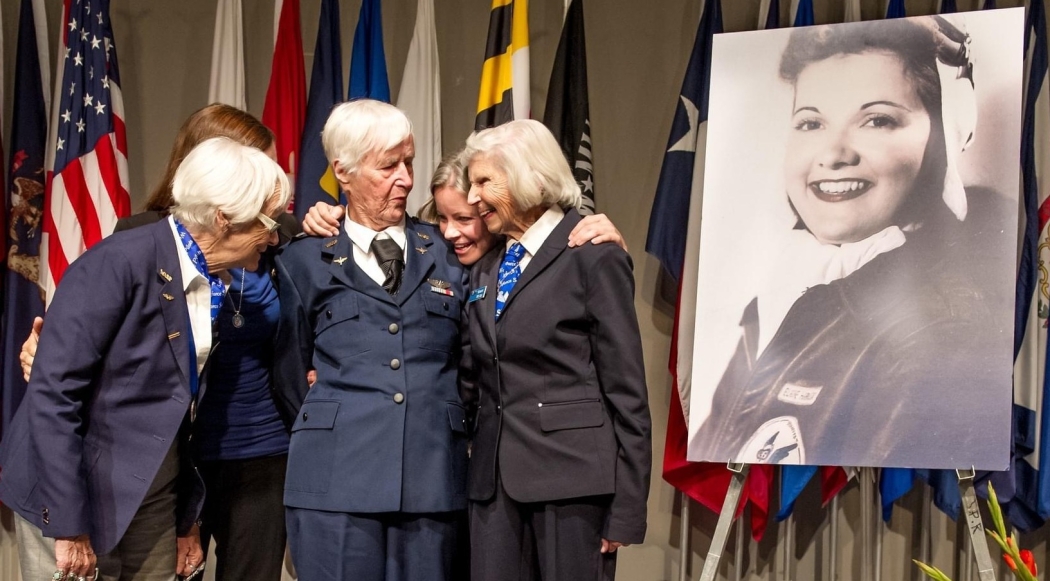
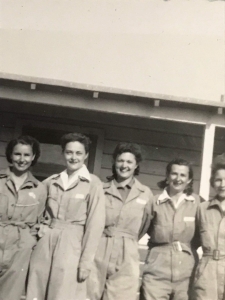
Many people in the aviation world know me because of the work I did on behalf of my grandmother, Elaine Danforth Harmon. She was one of the 1,102 pilots of the Women Air Force Service Pilots (WASP) during World War II. After she flew west in 2015, her final request to be laid to rest at Arlington National Cemetery was denied.
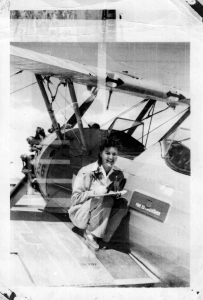
The government didn’t recognize the WASP as eligible for veteran status until 1977, when President Carter signed legislation allowing such petitions. My grandmother received her DD-214 paperwork recognizing her active-duty service in 1979, more than three decades after her time in the cockpit. Still, the Army claimed this recognition did not meet the criteria for Arlington inurnment.
Determined to fight this decision, I launched a campaign to pass a new law. Over the course of a year and a half, I worked with members of Congress, aviation organizations, and media outlets to raise awareness and build support. With a law finally signed by the President, our family was able to honor her wishes of being laid to rest at Arlington National Cemetery and thus honoring the legacy of all her fellow WASP pilots.
My grandmother’s service is one chapter in my family’s deep aviation history. My father is a Vietnam veteran and recipient of the Distinguished Flying Cross for flying Huey helicopters in the U.S. Marine Corps. My great-grandfather, Ernest Emery Harmon, was a U.S. Army pilot during the golden age of aviation. He won the Detroit News Trophy at the 1925 National Air Races, set multiple flight records, and escorted Charles Lindbergh upon his return from crossing the Atlantic. In 1919, he completed a 114-hour flight around the rim of the United States, a mission aimed at boosting public confidence in aviation, standardizing navigation, and promoting airport development nationwide.
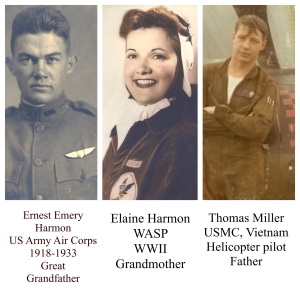
Growing up, I was surrounded by these stories. Like many kids, I dreamed of becoming an astronaut. Since I knew that astronauts were often pilots, I figured flying would be part of my future. I built model airplanes and rockets, attended Space Camp, joined Navy JROTC, and loaded up on science classes. But when my dreams of space faded, so did the idea of flying. For some time, I considered becoming a military pilot, but never felt like the right fit, even if it seemed like an obvious path to others.
Despite my family’s aviation roots, general aviation wasn’t part of our daily lives. My father hung up his helmet after his military service. My great-grandfather died in a crash in 1933 after flying into unexpected fog over Long Island. My grandmother stopped flying after the war, but she often took me to air shows and museums. I have a vivid memory of her sending me up with an aerobatic pilot in a biplane when I was about nine years old.
When I began advocating for the WASP, the aviation community opened its arms to me. I was invited to fly with friends, attend aviation events, and join a community that encouraged me to keep the legacy alive. People often asked, “Are you a pilot like your grandmother?” For a long time, I wasn’t. While most people were simply curious, a few suggested rather bluntly that I was betraying my family legacy by not learning to fly.
After a few years of flying with friends as a passenger or informal student, I decided to become an official student pilot, despite having no clear long-term goal beyond learning. I trained on weekends and holidays while working full-time. Less than three years later, I earned my commercial and flight instructor certificates. I now have over 100 hours of tailwheel time, with some aerobatics mixed in.
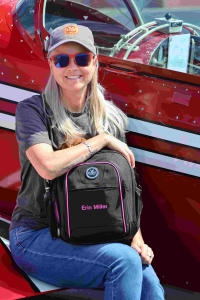
My grandmother often said her favorite part of flying as a WASP was the camaraderie, the friends she made and flew with. When I fly, I don’t dwell on the historic achievements of my family or the weight of their aviation legacy. Instead, I think of my grandmother in the cockpit, laughing and flying alongside her friends. I feel grateful to have found that same sense of connection in my own flying journey. I’ve made lasting friendships through aviation, people who share the sky with me, support me, and challenge me to grow. Carrying on my family’s legacy is an honor, but piloting my own legacy means something deeper: it’s about finding joy, community, and purpose in the air, just like she did.


Leave a Reply
Want to join the discussion?Feel free to contribute!